
Waste is not disposal.
It is a supply chain.
Households generate it. Independent agents move it. Facilities turn it into biogas, fertiliser and recovered material. EcoCycle is the record that runs underneath all three — so every kilogram is traced, and everybody is paid on the weight the scale actually recorded.
Independent collectors already move most of this material. EcoCycle gives the movement a record, and the record a value.
We did not start a waste company. We started a ledger.
The material was always moving. Collectors were already working, households were already separating, processors were already buying. What nobody had was a shared, trustworthy record of what moved, how much it weighed, and who was owed for it.
Read about us
Ten states, one record
Every kilogram has a state, and every transition is recorded
A collection is not a row that gets edited. It is a batch that moves through a state machine and leaves an audit trail behind it.
Requested
A household signals that waste is ready and estimates the volume.
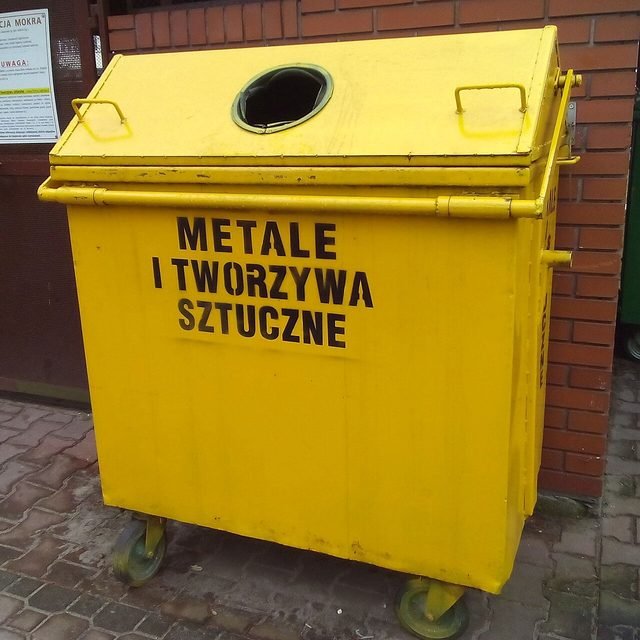
Assigned
The job is ranked and offered to the agents best placed to take it.
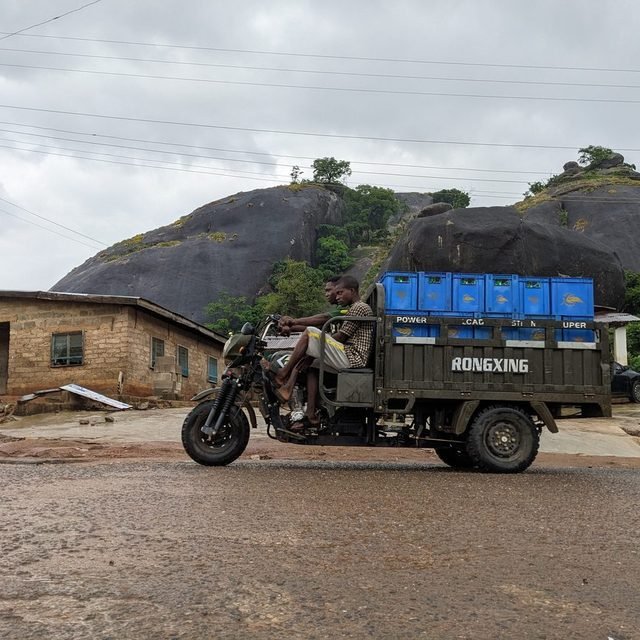
Collected
The agent weighs the load, tags it with a QR batch code and declares a weight.
In transit
The batch travels to the facility on whatever the agent drives.

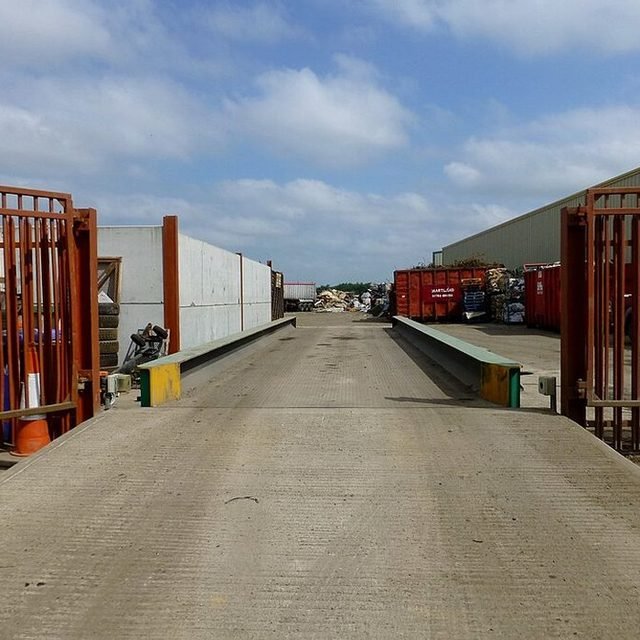
Inspected
The gate scale gives the verified weight. Everything settles on this number.
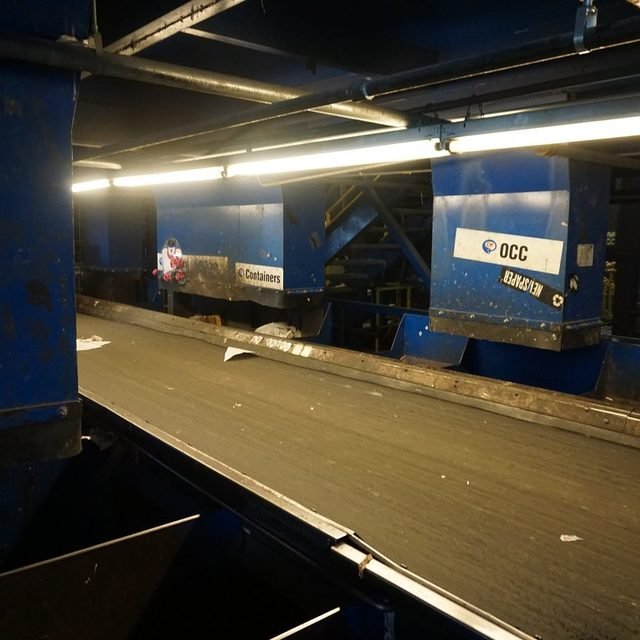
Processed
The material enters a line and the output is recorded against the batch.
Expected weight drives planning. Collected weight is what the agent declares. Verified weight is what the facility scale says — and money only ever settles on the verified figure.
Because the gap between them is the signal. A household that consistently under-estimates needs a better prediction; an agent whose declarations run 12% above the scale needs investigating. Collapsing them into one number throws that away.
One record, three jobs
Everyone in the chain gets the view they need
The household wants to know when someone is coming and what they earned. The agent wants the next job worth taking. The facility wants throughput and variance. Same batch, three different questions.

Request, watch, get paid
Put in a pickup, follow the agent in, see the verified weight and take 60% of what the batch was worth.

The next job worth taking
Ranked jobs nearby, an optimised route, a QR tag and a weight at every stop, and 40% of every batch delivered.
Intake to settlement
The gate, the inspection bay, the processing lines and the payment queue on one console.
Where the material lands
One plant, four lines, 9,500 kg a day
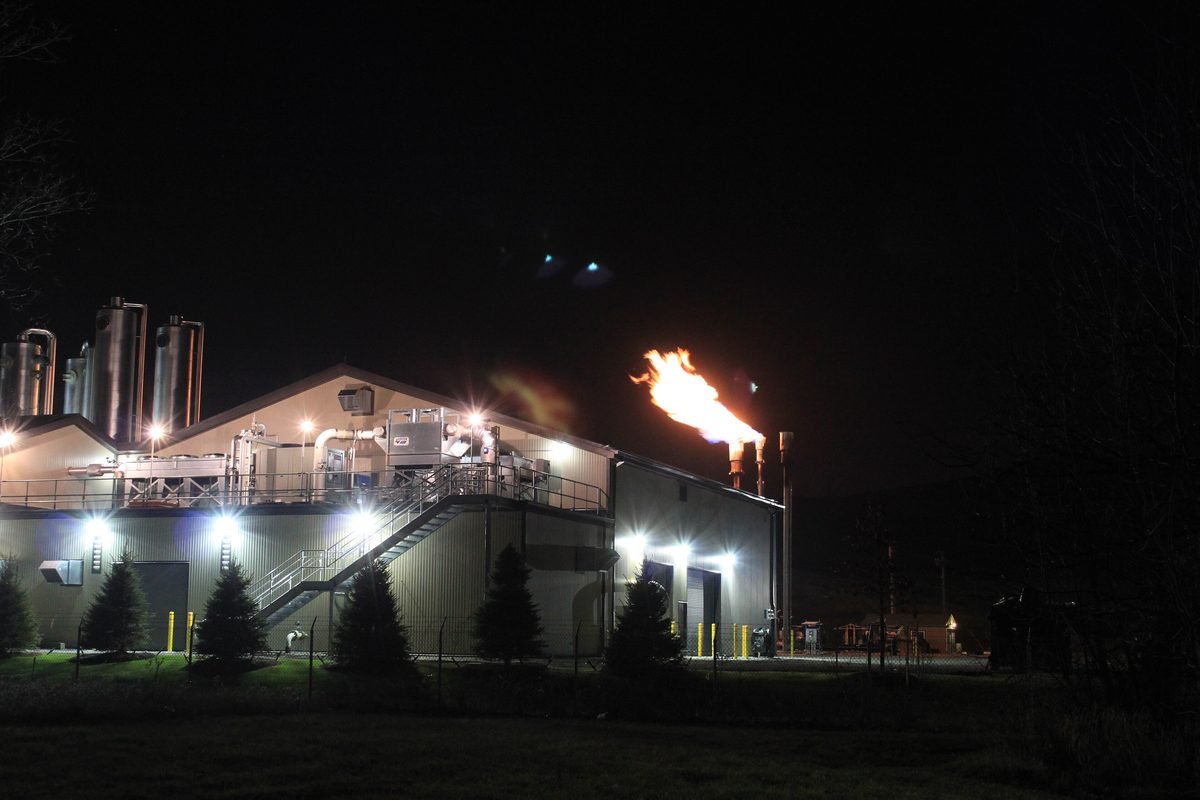
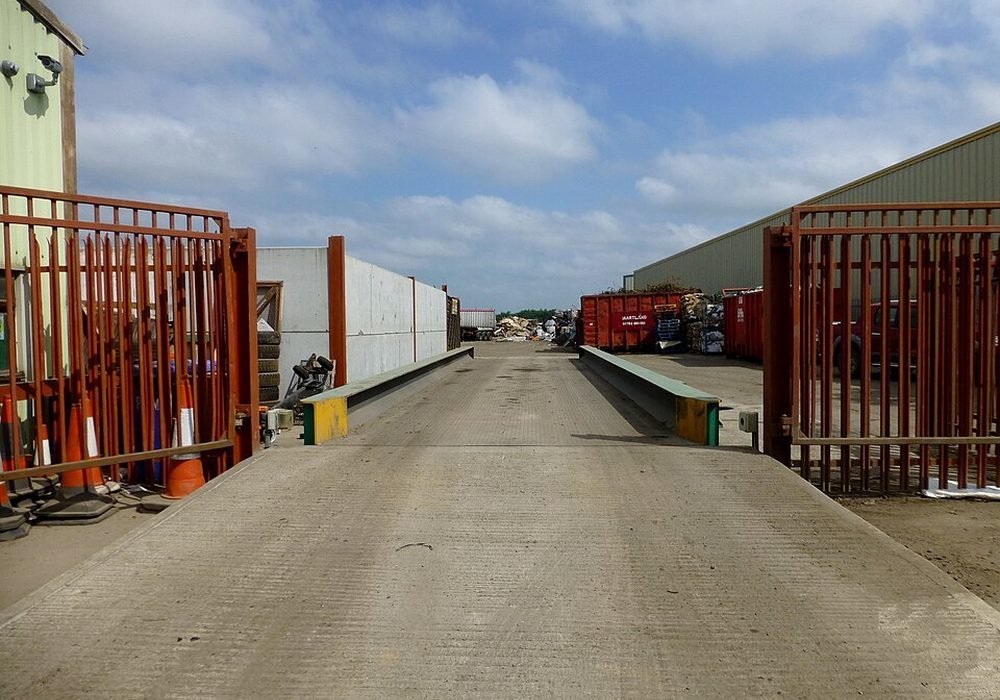
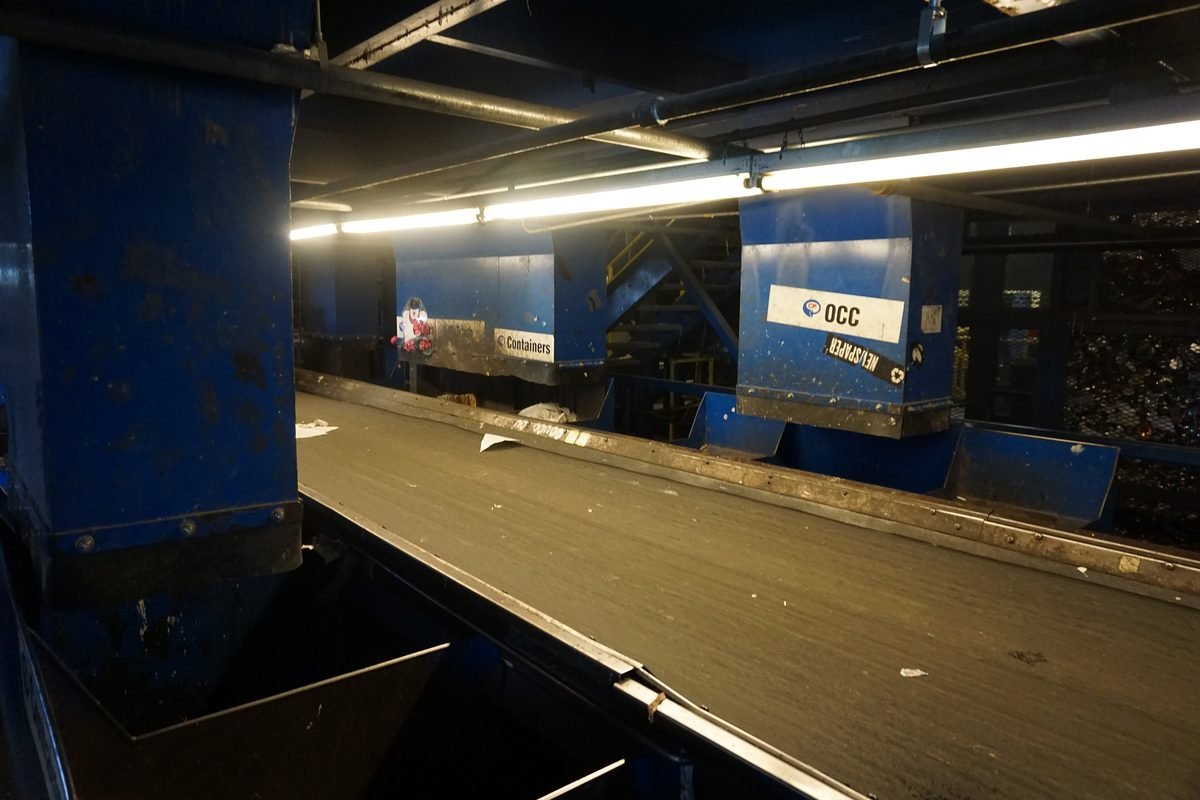
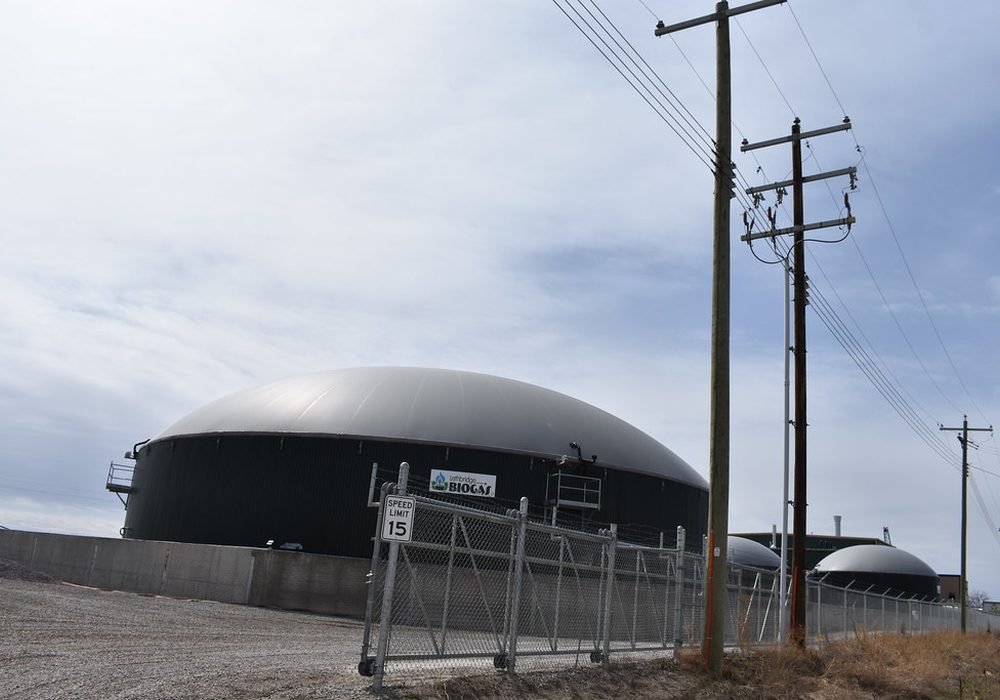
Everything collected on the network arrives at the Lagos Facility in Ojota, is weighed at the gate, graded in the inspection bay and routed to whichever line can take it.
Insights appear once a couple of weeks of verified batches are on record.
The value is in the graph, not the pickup
Once thousands of households, hundreds of agents and every inspection sit in one graph, the platform can answer questions no single actor can.
- Volume prediction — expected kilograms per household, per area, per week.
- Agent matching — the five jobs that suit this agent, not all fifty.
- Route optimisation — maximum kilograms per kilometre driven.
- Classification — composition from a photograph, as an assistant to the inspector.
- Integrity — weight variance, impossible travel, duplicate collections, GPS drift.
- Capacity forecasting — what arrives next week against what the plant can absorb.
Everything the model produces is labelled as a prediction and carries a confidence figure. Nothing inferred is ever presented as a recorded fact.
Seven streams, each with its own rate per kilogram
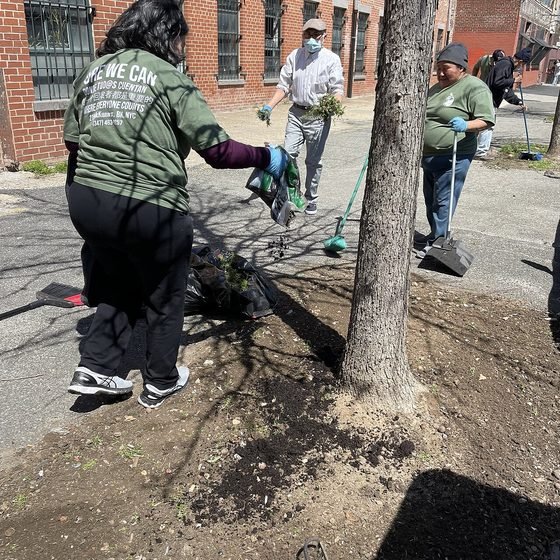



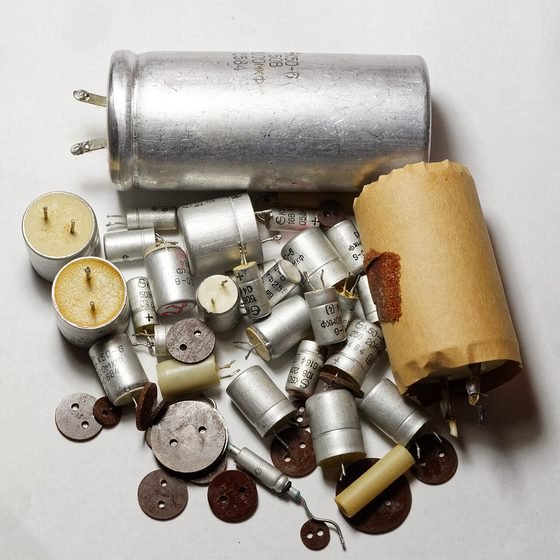
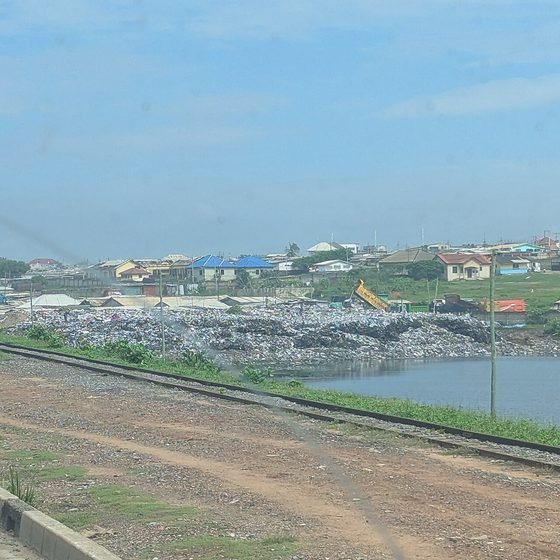
Lagos, Lagos State
Twelve areas, all of them within collection range of a single processing facility in Ojota. Coverage grows area by area, because route economics only work when households are dense enough to cluster.
Plot 14, Ojota Industrial Layout · Lagos StateIntake 06:00 – 18:00, Mon–Sat See where we operate
One object, one truth
WasteBatch is the centre of gravity
Everything traceable hangs off a single record. This is close to the shape the database migration takes.
The batch record
EC-W-2026-0091827- household_id
- EC-H-0183
- agent_id
- EC-A-0042
- qr_code
- EC-W-2026-0091827
- expected_weight
- 19.8 kg
- collected_weight
- 21.4 kg
- verified_weight
- 18.7 kg
- status
- PROCESSED
Settlement follows verification
PaidDeclared 21.4 kg, verified 18.7 kg — a 12.6% variance. Settlement uses the verified figure and the gap is logged against the agent's integrity score.
